What do you wear under your race suit, and how should you dress before the start and after the finish? Here are our recommendations for what to wear on race day.
In short
Base layer: Thin and close-fitting. Compete-Tech in mild weather, wool or a wool blend when it gets colder.
Fit: Your race suit should fit like a second skin, and so should your base layer. Loose fabric catches the wind.
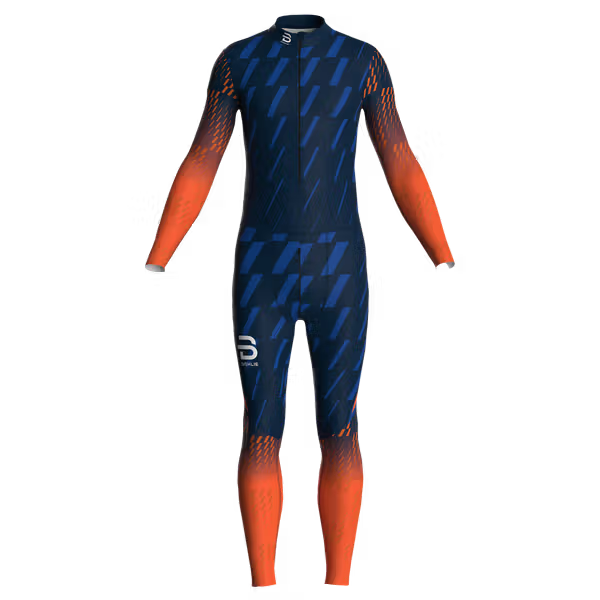
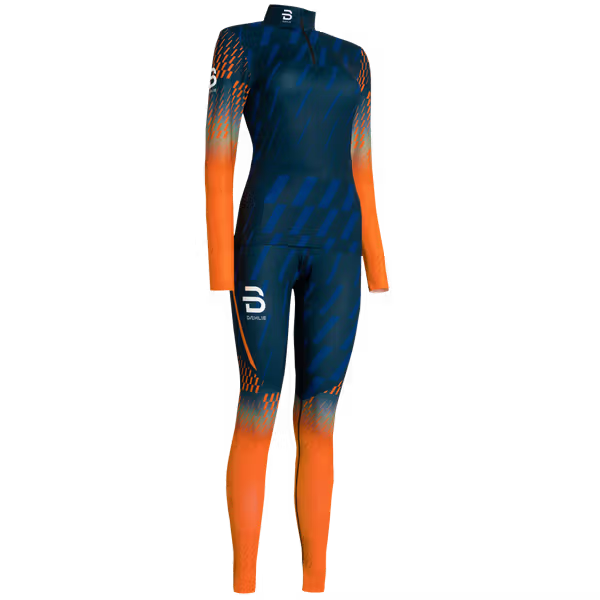
Your suit: Racesuit Elite FIS for speed, Racesuit Elite Ski Classics for cold and long distances. Prefer a two-piece outfit? Choose Mora or Elite 2.0.
Before the start: Stay warm in warm-up layers until the last minute, then start slightly cold.
After the finish: Change quickly into a dry base layer and a warm outer layer.
Main outfit
Your race suit should fit like a second skin, with no loose fabric that catches the wind, but without pulling across your shoulders or hips. Your base layer needs to fit just as snugly, or it creates folds under the suit. Don't wear more than you need.

New In
New In
Few left


Race suit, or jacket and pants – which should you choose?
Your choice depends on speed, the cold and how long you're out. Read more about the different garments and collections below.
Racesuit Elite FIS
The aerodynamic race suit for skiers who go for speed and high intensity. The fabric has 37.5® Technology that regulates temperature and quickly wicks moisture, so you stay dry and evenly warm.
Launching in December. Sign up to receive newsletters and get notified about the launch.
Racesuit Elite Ski Classics
Made for cold days and long distances. The Italian 4-way stretch fabric has a brushed interior that feels warm against your skin, and 37.5® Technology regulates temperature and moisture. Choose it when you'll be out for a long time, like in Ski Classics races.
Launching in December. Sign up to receive newsletters and get notified about the launch.
Mora top and tights
For when you prefer a two-piece outfit. Softshell on the front of the top and on the thighs repels wind and snow, while the materials on the rest of the garments wick moisture away from your skin. A good choice on cold, windy days, when you want extra protection where the wind hits.
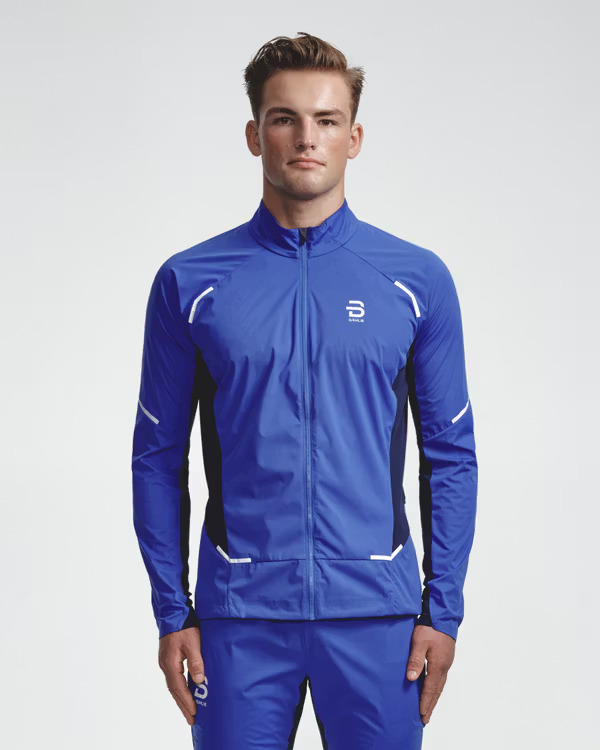
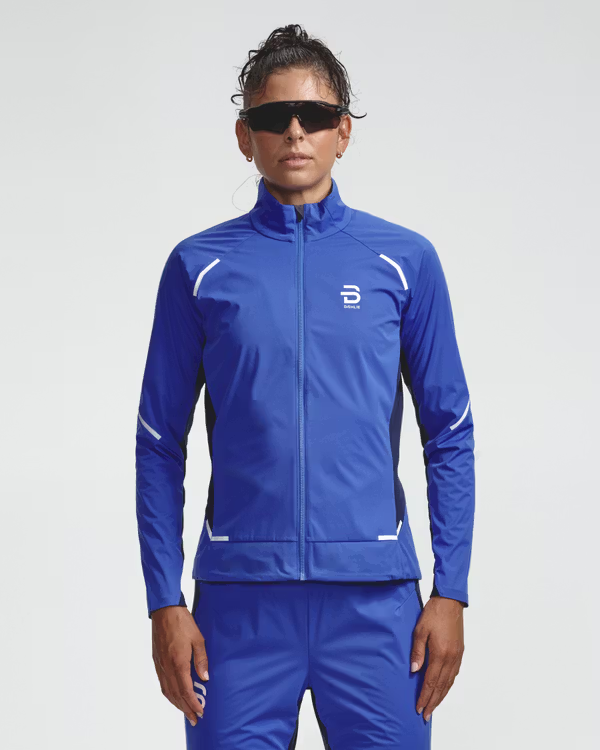
Elite 2.0 jacket and pants
For skiers who train and compete at a high level and want more protection. The 3-layer softshell is waterproof to 10,000 mm and breathable to 10,000 MVP. The front is windproof, and the jacket has a breathable Porelle® membrane and 37.5® Technology that helps keep your core temperature stable.
Base layers
Your race suit should fit like a second skin, with no loose fabric that catches the wind, but without pulling across your shoulders or hips. Your base layer needs to fit just as snugly, or it creates folds under the suit. Don't wear more than you need.
Bestseller

Bestseller


Few left

Bestseller

New In

Accessories
The right accessories can make the difference between an ordinary day and your best day in the ski tracks. Don’t let the small details get in the way of your race.
Bestseller

New In


New In


Which base layer works at which temperature?
Wind, pace and how long you're out matter as much as the degrees, so treat the temperatures below as rules of thumb. With the right base layer, a race suit works down to around −10 °C (14 °F).
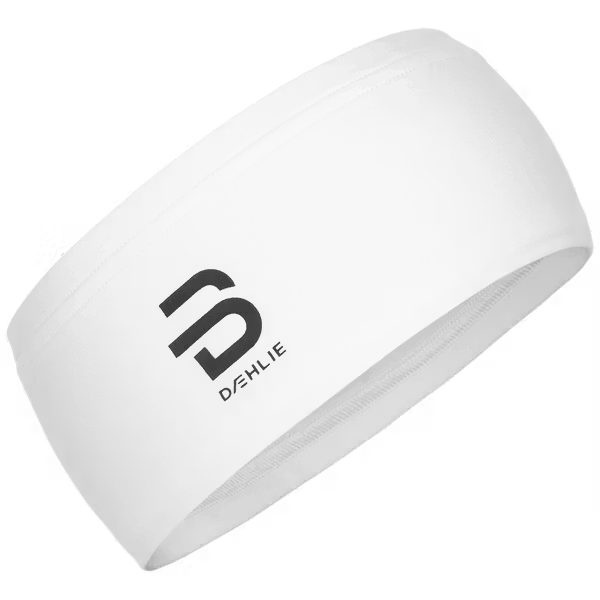
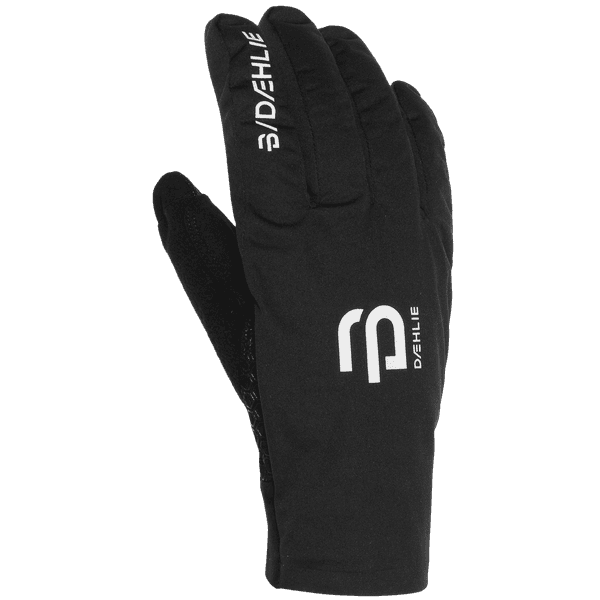
Above −5 °C (23 °F): A lightweight synthetic top, like Compete-Tech. Polyknit headband and race gloves.
−5 to −10 °C (23 to 14 °F): Wool or a wool blend, like Performance Wool. Headband or hat, race gloves or mittens, and Race Wool socks.
Below −10 °C (14 °F): Wool or a wool blend, a hat, mittens and Race Wool socks. Consider a warmer race suit or a two-piece outfit.
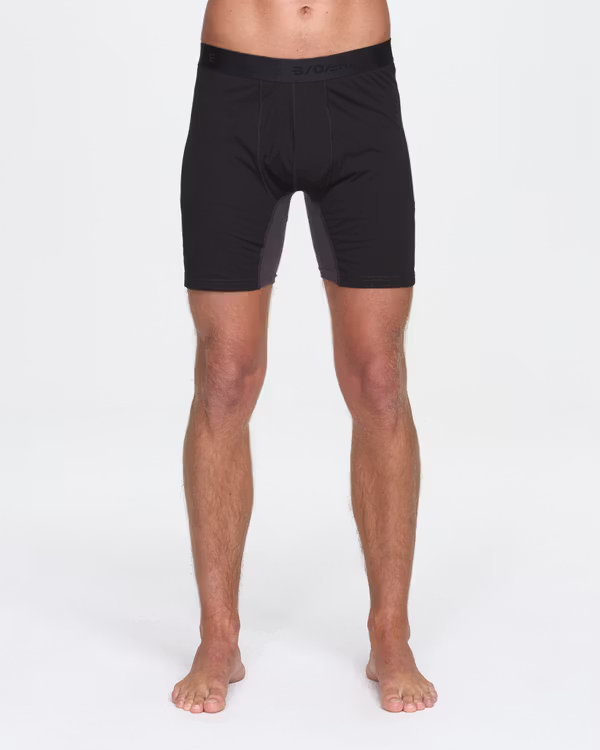
On cold or windy days, add wind briefs with a windproof front panel, like Boxer Wind Wool and Wool Tech Wind Boxer. A race suit is built to breathe, not to block wind. See our base layer guide and glove guide to choose the right ones.
What do you wear before the start?
Stay warm until the last minute. While you warm up and wait, wear a light insulated jacket and warm-up pants with full side zips over your race suit, so you can take the pants off without removing your skis. Take the layers off right before the start, and start slightly cold. You'll warm up within minutes.


New In

New In


What do you do after the finish?
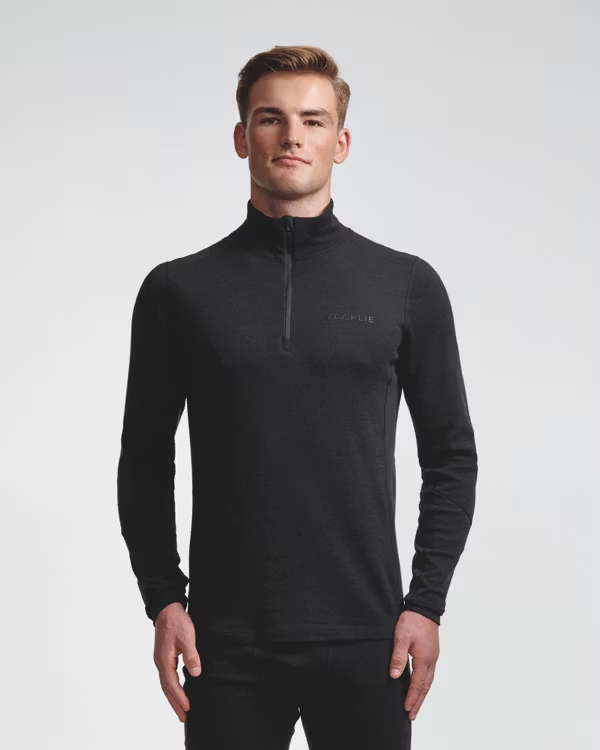
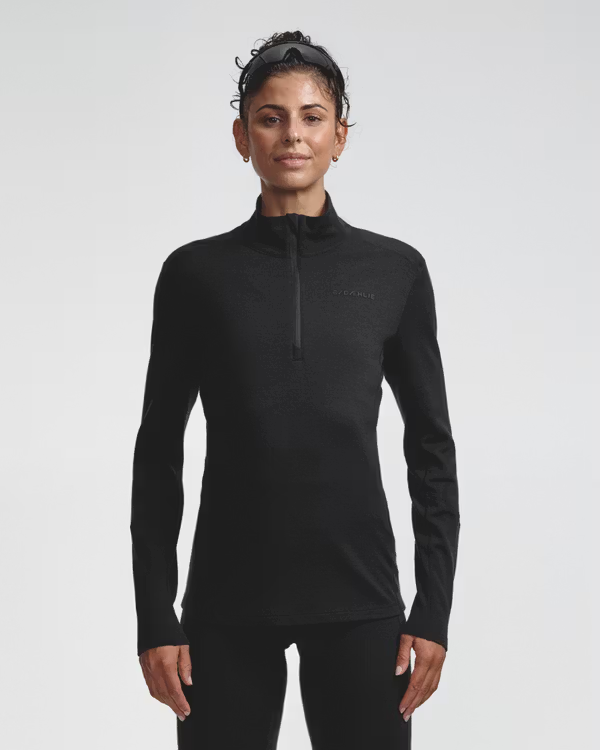
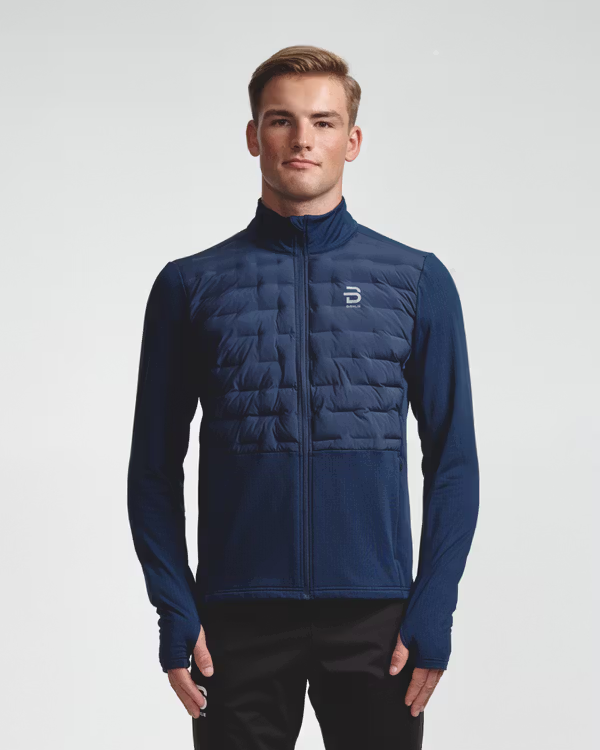
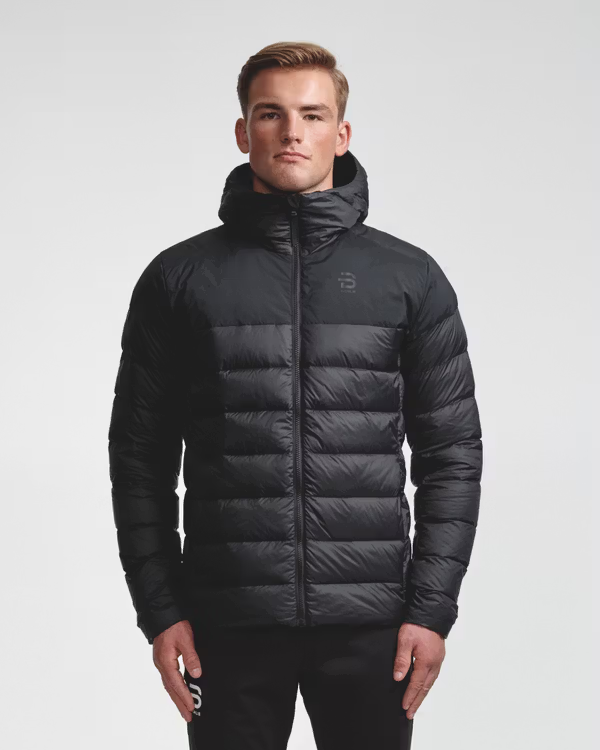
Change quickly into dry, warm wool layers and a thicker winter jacket. When you stop, sweaty clothes cool you down fast. Lay out dry clothes in advance, so you're not searching for them with cold fingers.
New In
New In
New In
New In

New In
New In
Bestseller

Bestseller

Frequently asked questions about ski race clothing
A thin, close-fitting base layer that moves sweat away from your skin. It should fit as snugly as the race suit, so it doesn't create folds. Which material you choose depends on the temperature, so see the overview above.
No. A race suit gives you plenty of freedom of movement and little drag, but any close-fitting cross-country ski clothing will do. If you prefer a two-piece outfit, see our guides to cross-country ski jackets and cross-country ski pants.
On your outermost layer, so it stays visible to officials for the entire race. If you wear a vest or thin jacket over your race suit, the bib goes on top.
Many skiers wear a race suit or close-fitting cross-country ski clothing. You will be out longer than in a short race and often exposed to more wind, so choose a warmer base layer. If you plan to carry a pack, test the full outfit with the pack on during a training session before race day.
See all race clothing
Cross-country skiing
Guides
Looking for more inspiration?
Cross-country skiing
26.03.30
8-week training plan for the Birkebeiner Ski Race
Cross-country skiing
26.10.20
Choose the right cross-country ski jacket
Cross-country skiing
26.03.30
Choose the right cross-country ski pants
Technology
26.11.04