Our guide helps you choose the right cross-country ski jacket for your needs, so you can focus on your technique, not the temperature.
No two days in the ski tracks are the same. Our jackets range from ultra-breathable race models to warmly insulated jackets for cold, easy days, and each one balances weather protection, breathability and freedom of movement.
We’ve split the guide into three categories:
Lightweight jackets for racing and high intensity
Versatile jackets for moderate intensity and changing weather
Insulated jackets for colder days
Lightweight jackets for racing and high intensity
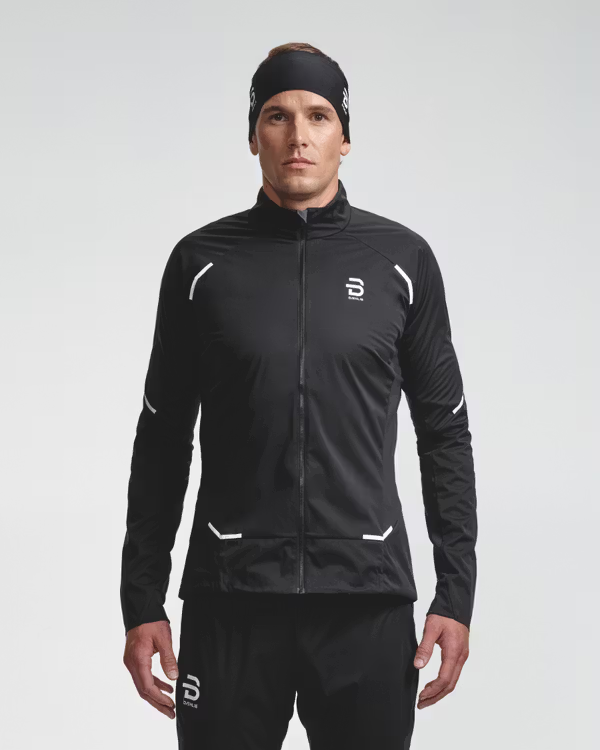
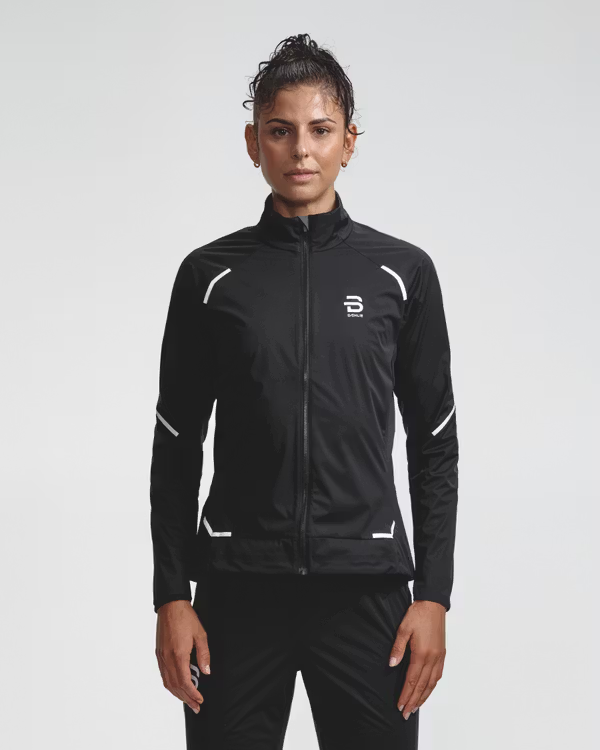
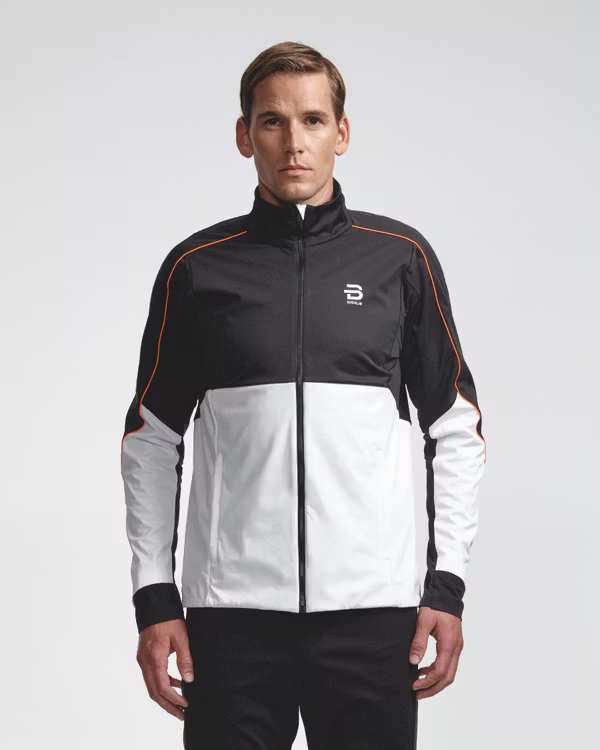
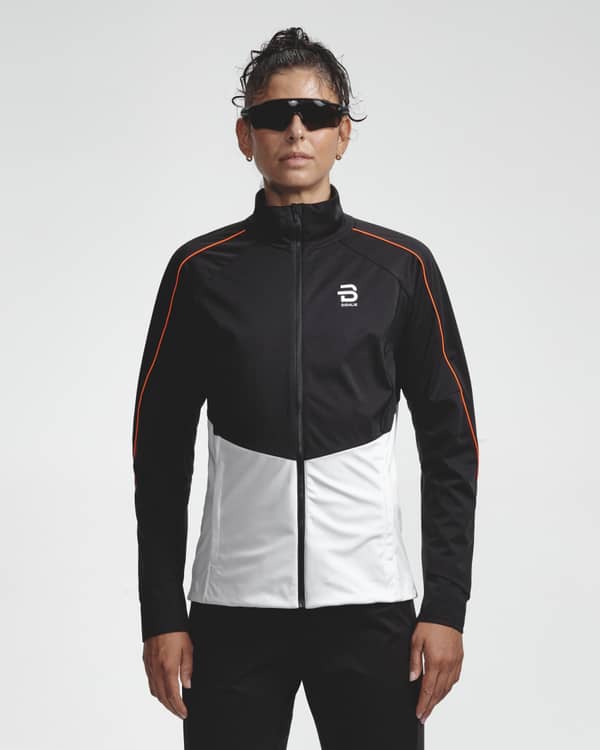
For serious cross-country skiers who value speed, breathability and innovation. Developed for hard training sessions and races at a high heart rate.
New In
New In
New In
New In


New In
New In
New In
New In
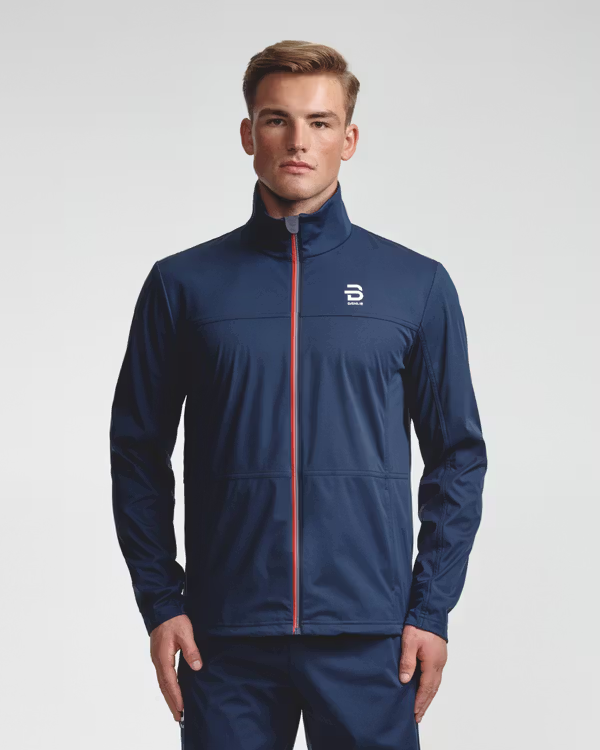
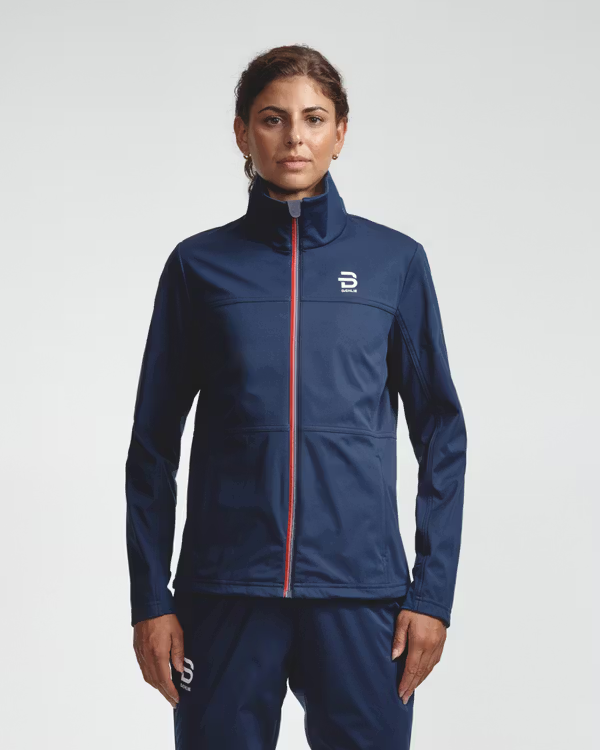
Versatile jackets for moderate intensity and changing weather
For cross-country skiers who want a versatile, technical training jacket. Combines ventilation and weather protection on sessions at a moderate to high pace.
Back in Stock

Bestseller

New In
Back in Stock

Back in Stock

Back in Stock
Bestseller
New In
Back in Stock
Back in Stock
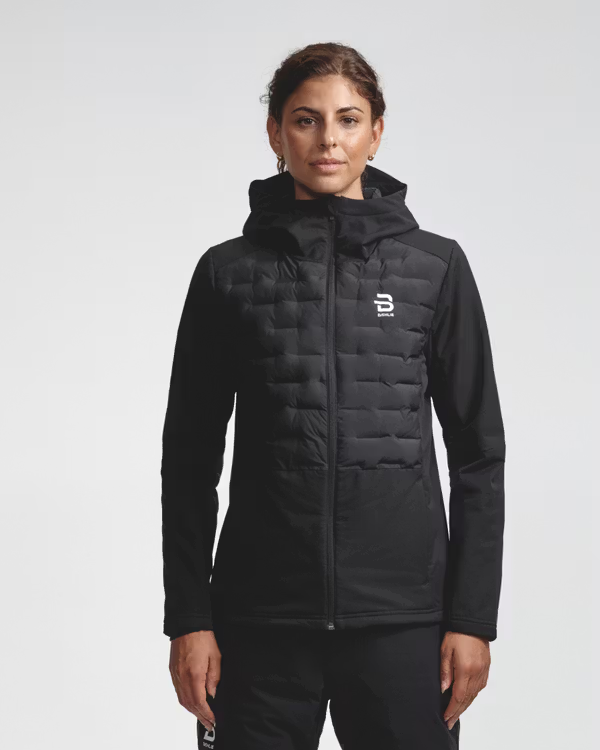
Insulated jackets for colder days and lower intensity
For easier sessions and lower temperatures. These jackets have extra insulation that keeps you warm and comfortable on the coldest days, while still giving you freedom of movement.
New In

New In
New In
New In
Explore the collections
Elite 2.0
Lightweight softshell with mesh ventilation and 37.5® Technology keeps your body temperature balanced at 37.5°C (99.5°F) during the toughest sessions. Choose this jacket for speed and racing.
Energy
Lightweight softshell with a brushed inside and stretch panels on the sides and back. Choose this for intense sessions in the cold, when you want low weight and good ventilation.
Premium 2.0
3-layer softshell with a waterproof rating of 15,000 mm, taped seams and laser-cut ventilation. Choose this for sessions with high intensity and want extra protection against rain and sleet.
Challenge 3.0
One of our best-selling cross-country ski jackets, with lightweight Fellex® insulation at the front. It keeps you warm where the wind hits, while elastic panels in the back and under the arms give ventilation and freedom of movement. Comes without a hood.
Power
A versatile, best-selling cross-country ski jacket with a fixed hood and a padded chest with 60 g of thermal fill. The 3-layer softshell with 4-way stretch gives great freedom of movement.
Shield
One of our warmest cross-country ski jackets, with insulation panels at the front in a modern woven design, a brushed inside and an adjustable hood. Choose this for the coldest days and for low-intensity sessions.
Shift
Lightweight, wind-protective 3-layer softshell with a brushed inside. Choose this when you want one versatile jacket for both easy sessions and faster sessions in changing weather.
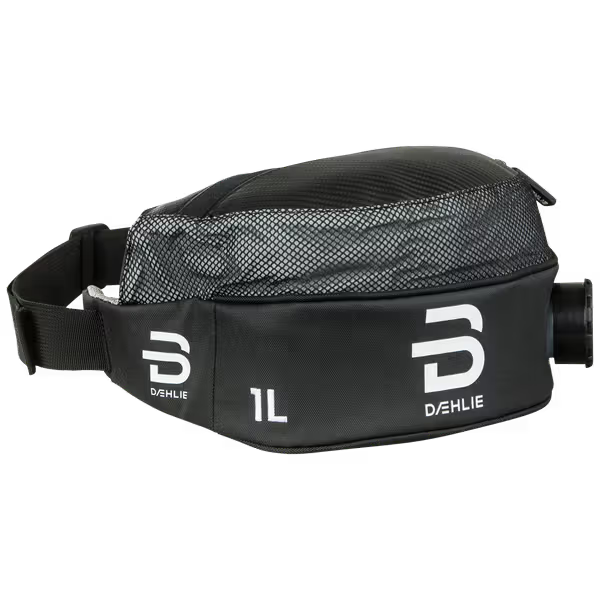
Complete your cross-country outfit
Back in Stock
Bestseller

Bestseller

New In
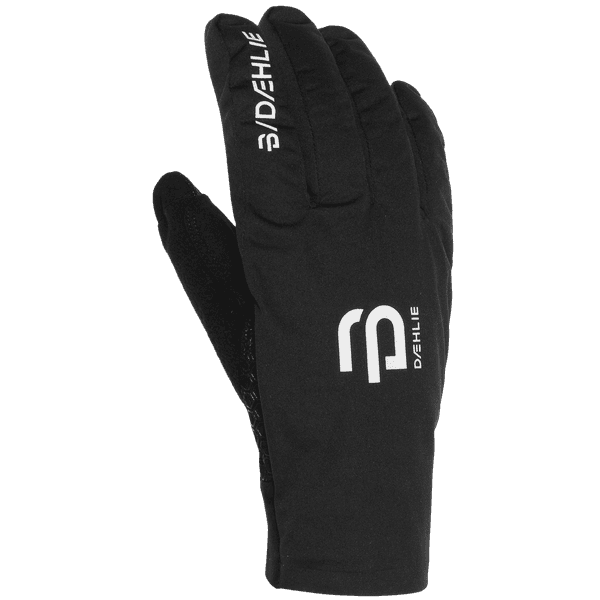
New In
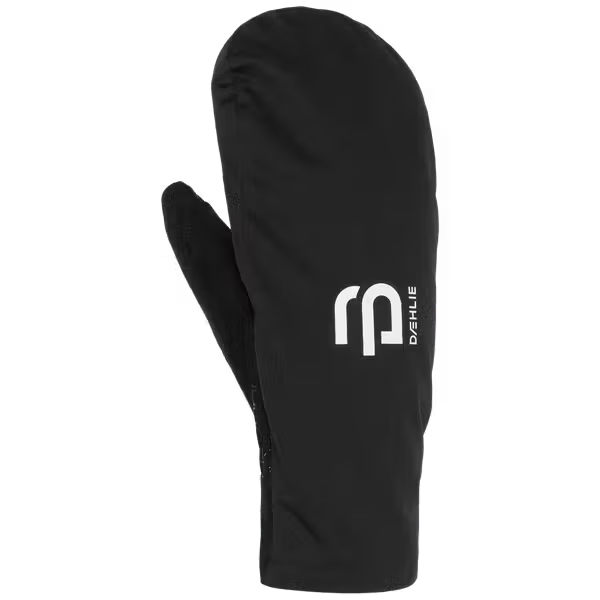
New In
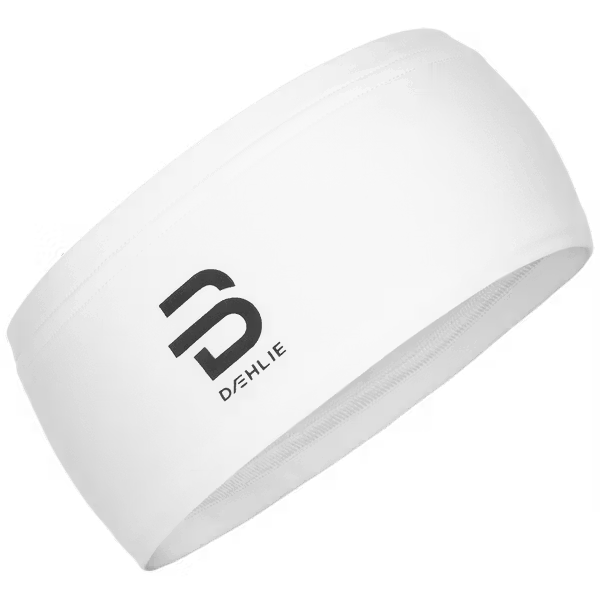
New In
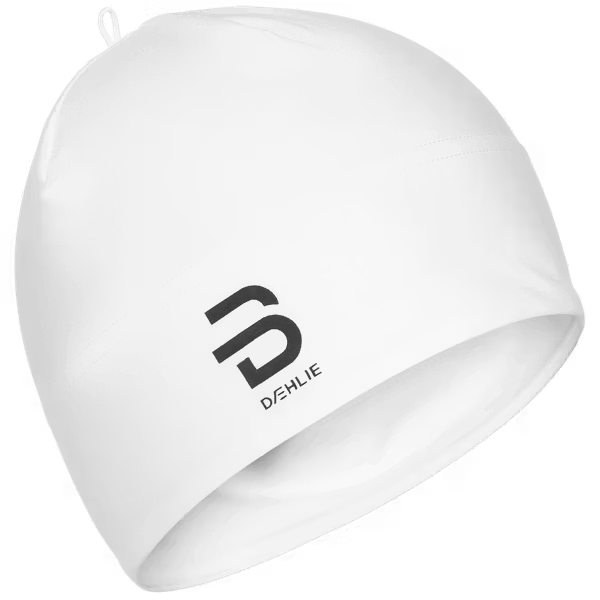
Frequently asked questions about cross-country ski jackets
No. For most cross-country sessions, a wind- and water-repellent softshell is enough. It handles snow and sleet, and it breathes better than a fully waterproof jacket.
If you often go skiing in heavier sleet and rain, choose a jacket with a membrane and a high water column, like Premium 2.0 with a waterproof rating of 15,000 mm and taped seams.
If you go cross-country skiing a lot in the mountains or in open terrain, we recommend a cross-country ski jacket with a hood for extra protection, like Power or Shield.
Water column (WP) shows how well the fabric keeps water out, measured in millimeters. Breathability (MVP) shows how much moisture can escape, measured in grams per square meter per 24 hours. The higher the number, the better. Many of our cross-country ski jackets have, for example, a waterproof rating of 10,000 mm WP and breathability rating of 10,000 MVP – enough for snow, sleet and light rain, while letting sweat out when the temperature, intensity and pace picks up.
A cross-country ski jacket should fit close to your body without feeling tight when you reach your arms forward to pole. The sleeves should cover your wrists, and the jacket should be long enough to cover your lower back. If you plan to wear a thicker mid-layer underneath, you can go up one size. Check the size guide on the product pages to find the right size and measurements.
Always check and follow the care label on each garment. Wash between 90°F to 110°F as the label says, with the zippers closed. Don’t use fabric softener, as it reduces breathability and the water-repellent treatment. If the jacket allows it, you can tumble dry on low heat or iron on a low setting to reactivate the water-repellent treatment.
Dress in layers: a moisture-wicking base layer in wool or thermal material closest to your skin, a thin mid-layer when it’s really cold, and a windproof and water-repellent cross-country ski jacket on the outside.
Start a little cold, because you get warm fast when your heart rate rises. A hat or headband, gloves and wool socks make a big difference, since your hands, feet and head get cold first.
See all cross-country ski apparel
Cross-country skiing
Guides
Looking for more inspiration?
Running
Cross-country skiing
26.04.07
Why you should workout in wool
Cross-country skiing
26.10.22
30 years of passion for cross-country-skiing
Cross-country skiing
26.04.07
Guide for cross-country ski pants
Cross-country skiing
26.04.07